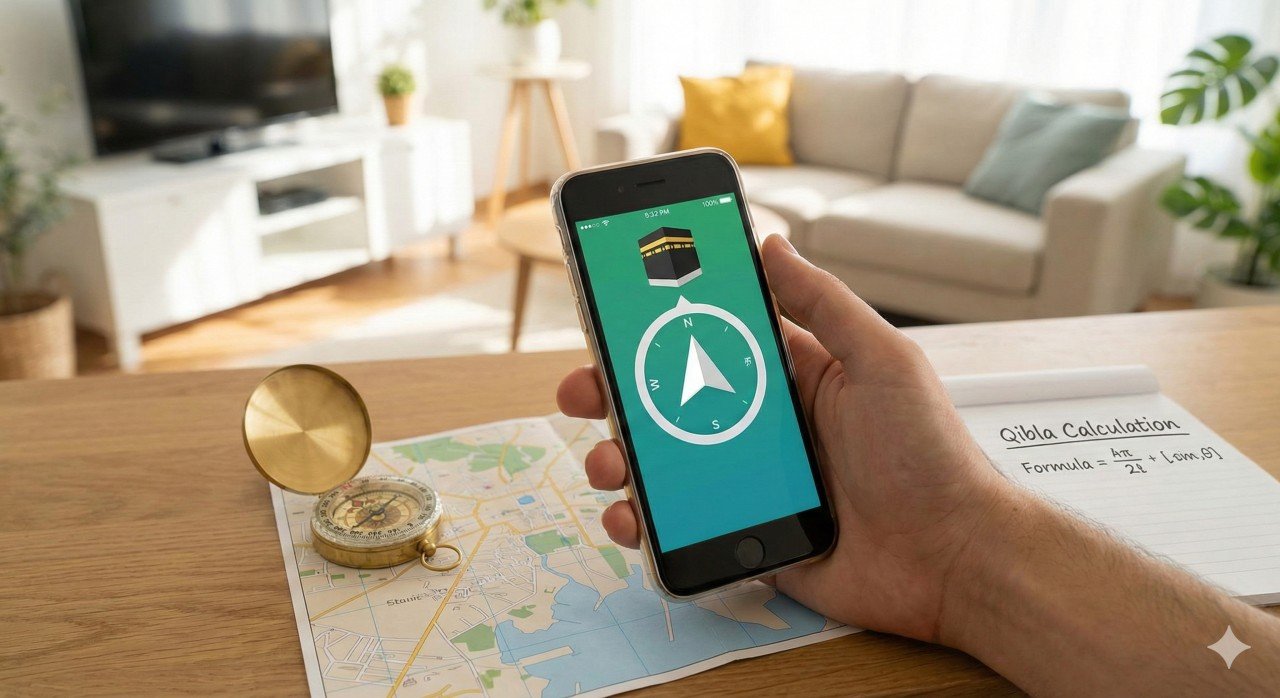
Knowing the correct Qibla direction is essential for Muslims when offering daily prayers. Whether you’re at home, traveling, or in a new city, finding the direction of the Kaaba can sometimes feel confusing. Fortunately, with modern tools and a few simple methods, calculating Qibla has become much easier. At Prayers Timetable, helping users pray with clarity and confidence is always a priority.
Below are practical and reliable ways to determine the Qibla direction without stress.
Understanding What Qibla Means
Qibla refers to the direction of the Kaaba in Makkah, toward which Muslims face during prayer. No matter where you are in the world, your prayer is oriented toward this sacred location. While exact precision isn’t always required, making a sincere effort to face the correct direction is important.
Use a Qibla Compass
One of the simplest traditional methods is a Qibla compass. These compasses are specially marked to show the direction of Makkah based on your geographic location.
Why this method works well:
- Easy to carry and use
- No internet connection needed
- Reliable for both indoor and outdoor use
All you need is to stand on a flat surface, align the compass, and follow the indicated Qibla direction.
Calculate Qibla Direction Using Your Smartphone
Most smartphones make Qibla calculation extremely convenient. Many Islamic apps and built-in compass tools can determine your direction instantly.
Benefits of using your phone:
- GPS-based accuracy
- Fast and user-friendly
- Ideal for travel or unfamiliar locations
Just ensure your phone’s compass is calibrated properly for best results.
Find Qibla Direction with Online Maps
Another easy method is using online maps. By locating your current position and identifying the direction of Makkah, you can visually estimate the correct orientation.
This method is especially helpful if you prefer a clear visual reference or are planning prayer spaces.
Follow Mosque Orientation When Nearby
If you’re close to a mosque, observing its prayer hall direction can help guide you. Mosques are carefully aligned toward the Qibla, making them a reliable reference point.
When Accuracy Isn’t Perfect
Islam emphasizes intention. If you make a genuine effort to determine the Qibla and later discover it wasn’t exact, your prayer remains valid. Ease and flexibility are built into the faith, especially for travelers or those without access to tools.
With today’s technology and simple techniques, finding the Qibla direction no longer needs to be complicated. Platforms like Prayers Timetable continue to make it easier for Muslims around the world to stay connected to their daily prayers with confidence and peace of mind.